When Hannah and David Okafor bought their house on Pleasant Street in Newton in early 2025, the backyard was a half-acre rectangle of zoysia grass with two ornamental crabapples, a brick patio, and a black aluminum perimeter fence.
By the spring of 2026 the lawn was gone. In its place were eight white-oak rounds set into the ground as stepping logs, a long trench of pea gravel that the children used as a riverbed, a brush pile the size of a small car, and a path that ran through what had been a privet hedge.
The Okafors have three children: Ada, eight; Pio, five; and Renata, two.
Hannah is a landscape architect by training. She had not, before this project, designed a yard for her own family. She told Marisol that she had been waiting fourteen years to do it.
The first thing they removed was the lawn.
They did this in October 2025, mostly by hand and with a rented sod cutter from the True Value on Walnut Street. It took David and his brother-in-law one Saturday. The sod went onto a small berm at the back of the property and was allowed to compost.
Underneath the lawn was clay. They added two truckloads of compost from a municipal facility in Watertown and rototilled it in.
Hannah's design did not start with a master plan. It started with a list of seven things she wanted the yard to have: water in some form, an enclosed hideable space, climbable structure, dirt the children were allowed to dig in, a path the two-year-old could navigate alone, edible plants, and a place to sit.
Water turned out to be the hardest.
She had wanted a small rain garden that filled and emptied with storms. The drainage on the lot did not cooperate. After three months of testing she gave up and installed a galvanized stock tank, half-buried, that she fills with the hose. The children call it the pond.
The pond is two feet deep and four feet across. It has goldfish in summer and is drained in October. Renata has fallen in twice. She is two. She climbed out by herself the first time and was pulled out by Ada the second.
Hannah said the pond was the part of the design she had most argued with herself about.
I am a landscape architect, she said. I know the risk numbers. I also know my own kid.
She built a low wooden lip around the pond that Renata can grip when she falls in. It is not childproofing. It is a handhold. Hannah believes the difference is meaningful.
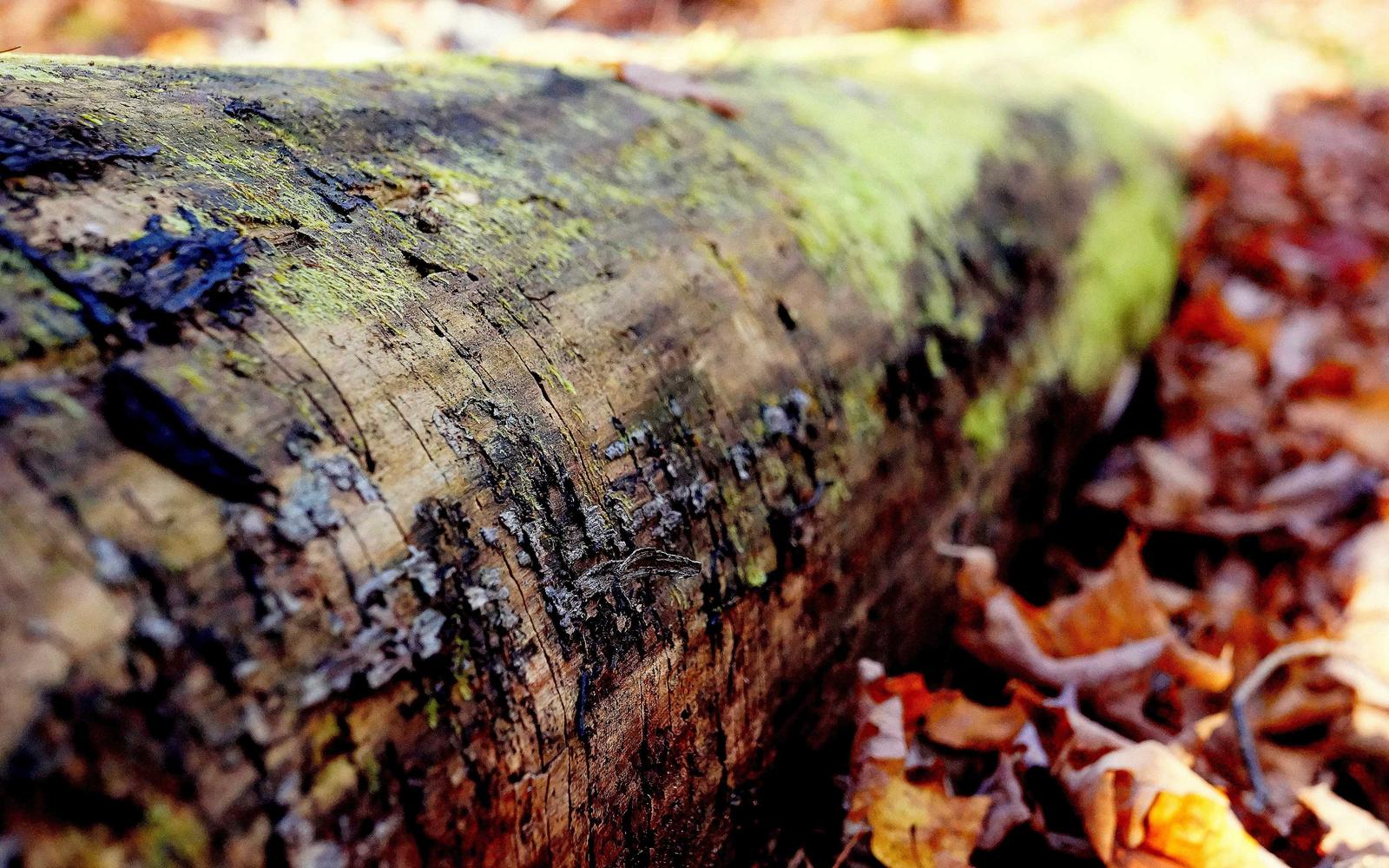
The climbable structure is a stack of seven white-oak rounds from a tree that came down in a January 2026 storm on Centre Street. The town gave them away. David rented a hand truck and brought them home in four trips.
The rounds are roughly two feet across and a foot tall. They are arranged in a loose curve. Ada uses them as a balance course. Pio uses them as the walls of a fort. Renata uses them as chairs.
The brush pile was Hannah's most controversial design choice with her neighbors. It is made of branches from the privet hedge they removed and from a willow that was pruned. It is about six feet long and three feet high.
A neighbor complained. Hannah explained that brush piles host fence lizards, song sparrows, and chipmunks, and that her children had been waiting all winter to find a chipmunk. The neighbor was unmoved but did not file anything.
The path through the privet, which they did not entirely remove, is the part of the yard the children use most. It is about thirty feet long and four feet high, an enclosed tunnel of green. Renata can walk through it without an adult.
Pio uses the path as the start of every story he invents. Marisol watched him, on a Wednesday afternoon in May, enter the path twelve times in ninety minutes, each time as a different character.
The yard cost the Okafors about twenty-two hundred dollars in materials. Almost all of the labor was their own. The most expensive item was the stock tank.
Hannah said the second-most expensive thing was the time it took her to stop apologizing for how the yard looked when neighbors came over.
She said that took about ten months.