Every Memorial Day weekend since 1994, the descendants of Theodore and Ruth Voss have gathered at a state park in central Pennsylvania for a Saturday lunch. In May 2025, four generations sat down to eat at the same long table for the eighth time on record.
Theodore Voss died in 2007. Ruth Voss is ninety-six and was at the table. So was her son Daniel, sixty-eight, his daughter Hannah, forty-one, and Hannah's twin sons Jasper and Otis, eight. There were sixty-three people present in total. The youngest, a niece's daughter, was six months old.
The lunch is held in a rented picnic shelter at Bald Eagle State Park. It has a corrugated metal roof and twelve concrete picnic tables. The Vosses have used the same shelter, by reservation made twelve months in advance, since 2003. Before that they used a different shelter that flooded.
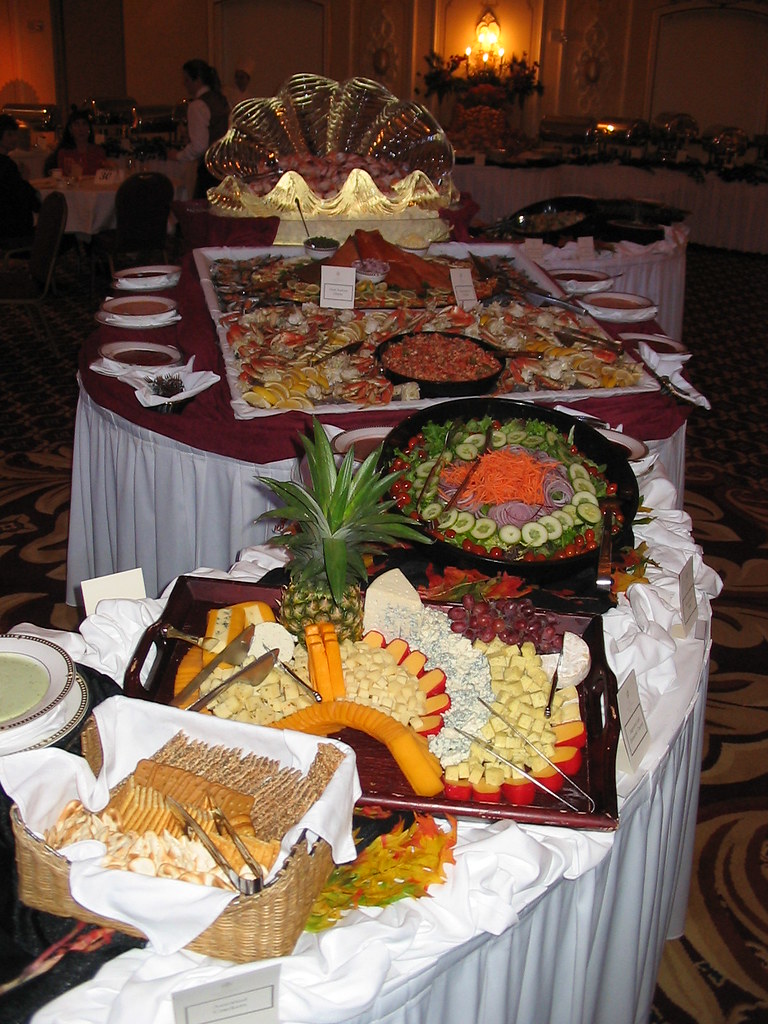
The menu has narrowed over the years to what works. There is fried chicken from a particular grocery deli in Bellefonte. There is a tray of brownies that one of Daniel's cousins has been making since 1996. There is a green salad that no one eats and that the family includes for the principle of the thing.
What is hardest about the gathering is not the food. It is the geometry. The family has spread across nine states and three countries. Twelve flights, four train tickets, and a great many minivans converge on a small parking lot in Centre County on the Friday before.
Hannah, who lives in Portland, Oregon, with her husband and the twins, books her flights in November. The cost has gone up every year. The decision is, every year, the same. They will come.
Not everyone makes it every year. The lunch is structured, by long understanding, around three years of attendance. If you miss three in a row without serious cause, you fall off the email list. The family currently has four people on probationary status.
The structure sounds severe. It is in practice, gently enforced. The cousin who lives in Singapore is exempt. The cousin who is in active treatment for cancer is exempt. The cousin who simply does not feel like flying back to Pennsylvania for a Saturday in May is, the family decided in 2011, no longer included.
This decision was contentious. There was a faction that wanted the gathering to be open and unconditional. There was a faction that wanted it to mean something. The second faction won, narrowly, at a family meeting held over conference call in February 2011.
What the gathering means is harder to articulate than the rules. Hannah, asked, said it means that her sons know what fifty-three cousins look like. They know that Aunt Margaret tells the same story about a horse every year. They know that great-grandma Ruth still drinks her coffee black at ninety-six.
Ruth Voss did not, until last year, miss a Saturday. She came in 2024 in a wheelchair and stayed for ninety minutes. She came in 2025 in the same wheelchair and stayed for forty. She told Hannah, in a quiet moment, that she might not make 2026.
Hannah did not argue with her. She helped her great-aunt eat a piece of chicken. She introduced Jasper and Otis again, because Ruth has begun to forget which is which, and because Ruth has always loved being reminded.
There is a category of family ritual that survives by sheer inertia and a category that survives by deliberate work. The Voss lunch is the second. There is a committee. There is a budget, currently sitting at $4,200 in a credit union account. There is an annual email in January and a follow-up in March.
The committee is currently chaired by Daniel's youngest daughter, Margaret, thirty-eight, who took over in 2022 from a cousin who had run it for eleven years. The handover involved a binder. The binder is two inches thick. It includes everything from the shelter reservation procedure to the brownie recipe.
The binder also includes a section called Difficult Conversations, which is mostly about the four people on probationary status and how to handle them gently. Margaret has added two pages to this section since 2022.
What the children do at the lunch is run around the picnic shelter. They eat brownies. They get bug bites. They are introduced to second cousins they will not remember. Some small percentage of these introductions, the family hopes, will outlast the day.
The evidence from past generations is mixed. Hannah's father Daniel remembers, from his own childhood gatherings of an earlier shape, perhaps four cousins out of the twenty he met. The others are names he could not place in a photograph.
Hannah herself remembers, from the Bald Eagle gatherings of her teens, maybe a dozen. She is closer, today, to perhaps six of them. The rest exist as a kind of pleasant blur, a sense of having been part of something larger.
Jasper and Otis will inherit the same pleasant blur, plus a few sharp memories. Otis is already devoted to a cousin named Lily, eleven, who taught him to skip stones at the lake last May. They have written each other three letters since.
The gathering will not last forever. Ruth will die. Daniel will age out of driving the eight hours from Connecticut. Eventually the shelter will be too small or too large. Eventually a generation will decide that a Saturday in May is not theirs.
Until then, the binder will be handed on. The brownies will be baked. The fried chicken will be picked up from the deli in Bellefonte. Sixty-some people will sit at twelve concrete tables under a corrugated roof, and the children, for one afternoon, will know exactly how big they are.